Ozark, Missouri

Mon - Sat 9:00am - 5:30pm

.svg)
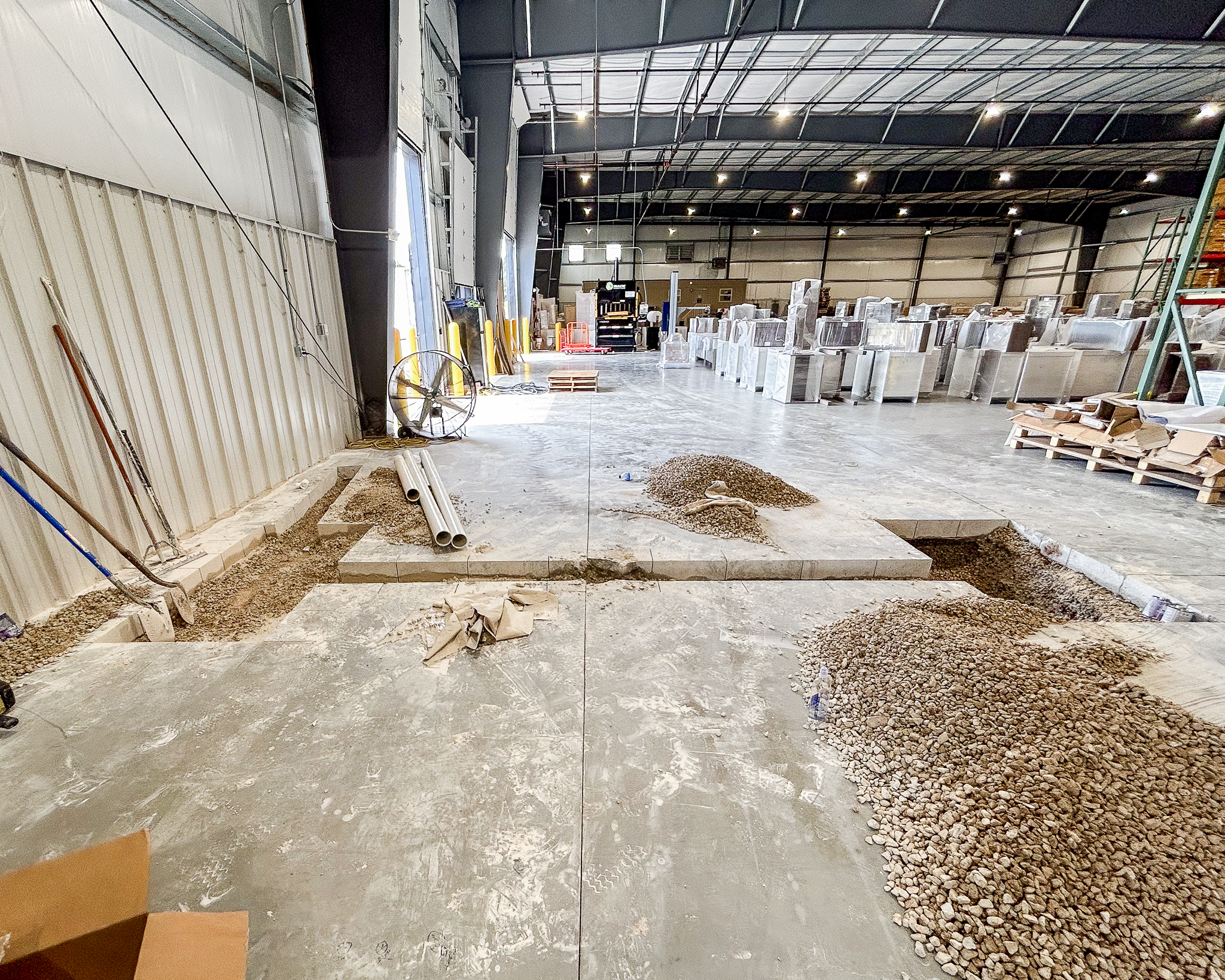

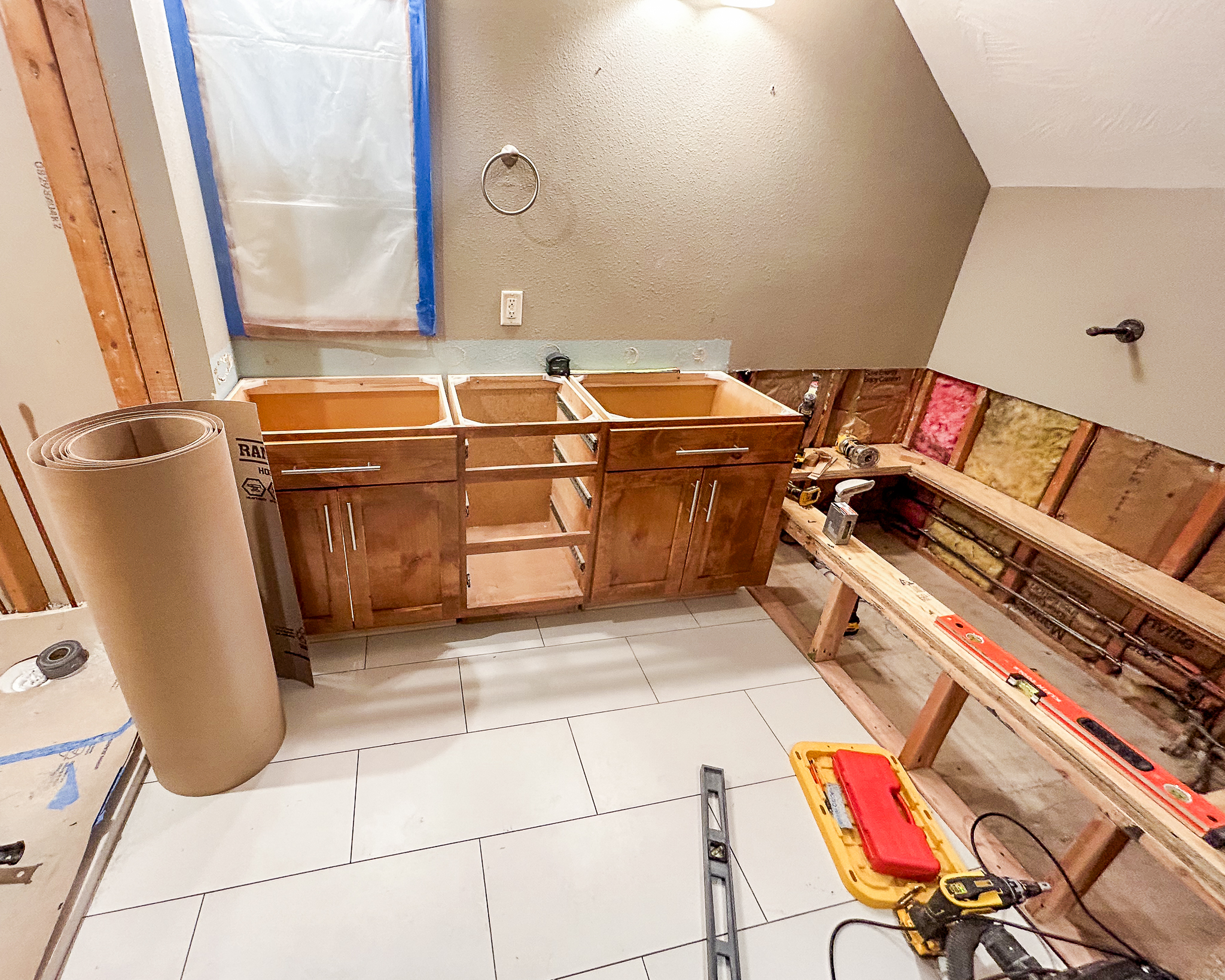
Plumbing rough‑ins represent the foundational stage of commercial mechanical systems. Before fixtures or finishes are installed, behind‑the‑wall infrastructure must be strategically positioned to support building functionality.In Springfield commercial projects, rough‑ins begin after structural framing completion. Contractors install supply lines, drainage routes, and vent systems according to engineered layouts. This stage ensures that future fixtures align with plumbing access points without requiring structural modification.Planning accuracy is essential. Improper routing can create pressure inefficiencies or drainage flow issues that impact long‑term system performance. Springfield inspection authorities review rough‑ins before construction advances, verifying compliance with municipal plumbing codes.Rough‑in completion allows other trades to proceed. Electrical, HVAC, and interior finishing teams rely on properly installed mechanical infrastructure to continue buildout phases without delay.Though rarely visible in finished buildings, plumbing rough‑ins determine operational success. Proper early‑stage installation supports water delivery reliability, sanitation performance, and long‑term maintenance accessibility for commercial properties.