Ozark, Missouri

Mon - Sat 9:00am - 5:30pm

.svg)
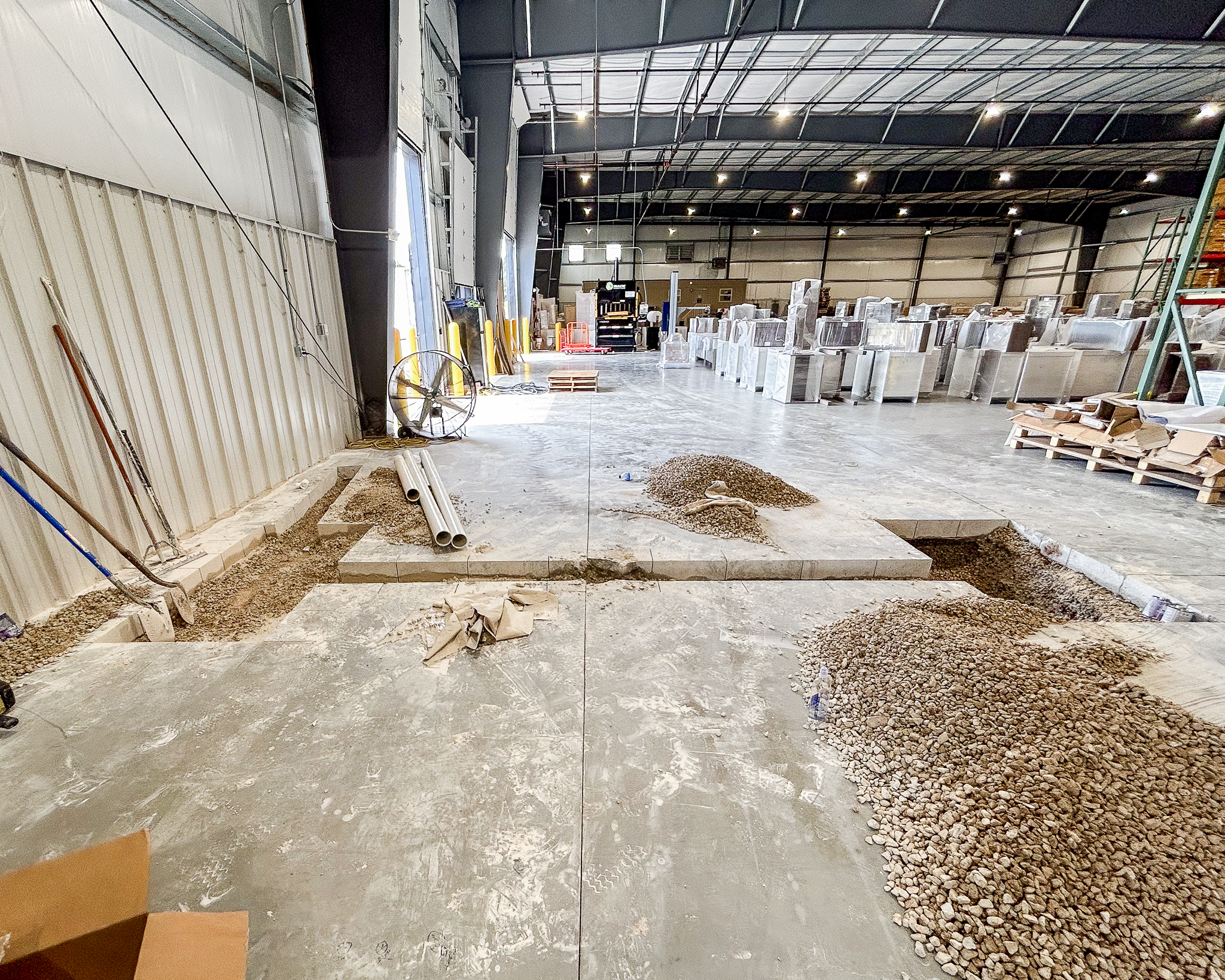

Commercial pipe installation forms the hidden infrastructure that allows Springfield businesses to operate effectively. While often concealed behind walls and foundations, these systems support water distribution, drainage, and facility sanitation requirements.Planning begins with blueprint analysis. Contractors evaluate building layouts to determine optimal pipe routing that supports both performance and maintenance accessibility. Springfield commercial codes dictate slope requirements, venting placement, and drainage capacity to ensure system reliability.Installation progresses in stages. Water supply lines are routed to serve restrooms, kitchens, and operational areas, while drainage systems carry wastewater safely away from the structure. Vent stacks regulate air pressure, preventing flow disruptions and maintaining sanitary function.Inspection readiness plays a major role in commercial plumbing projects. Systems must pass municipal review before walls are closed and construction progresses. Proper installation ensures facilities meet health regulations and operational standards.Reliable pipe installation directly impacts business continuity. Failures within plumbing infrastructure can disrupt operations, damage interiors, and increase long‑term maintenance costs. Professionally installed systems support performance stability while protecting commercial property investments across Springfield.